A fatal crash exposed the risk inside a hybrid tolling system
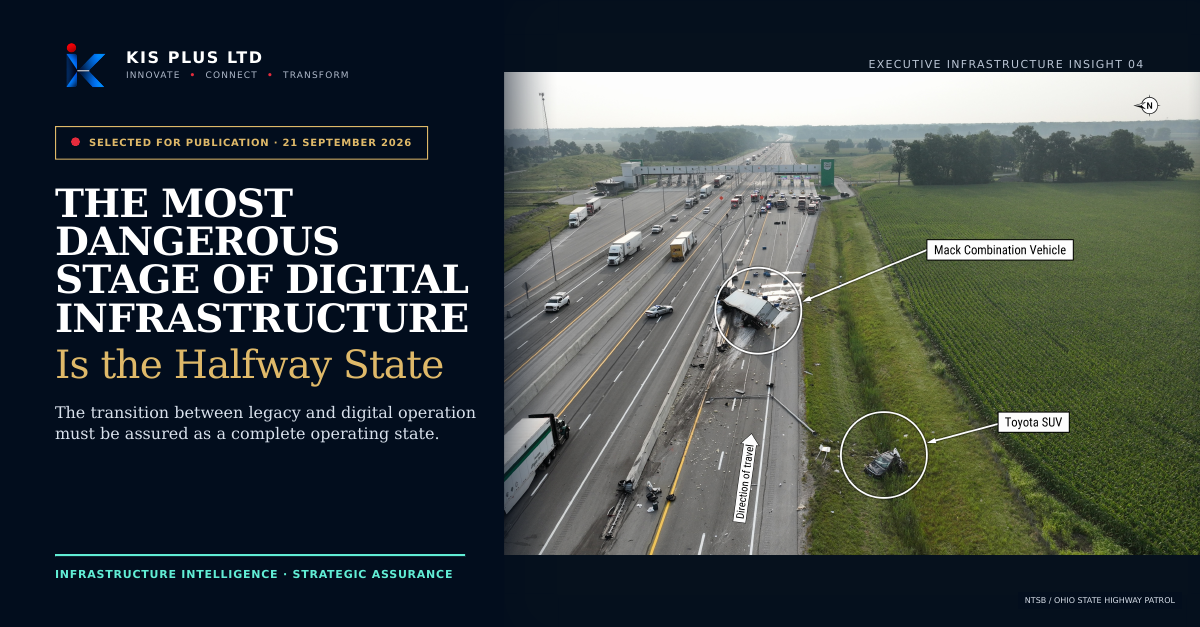
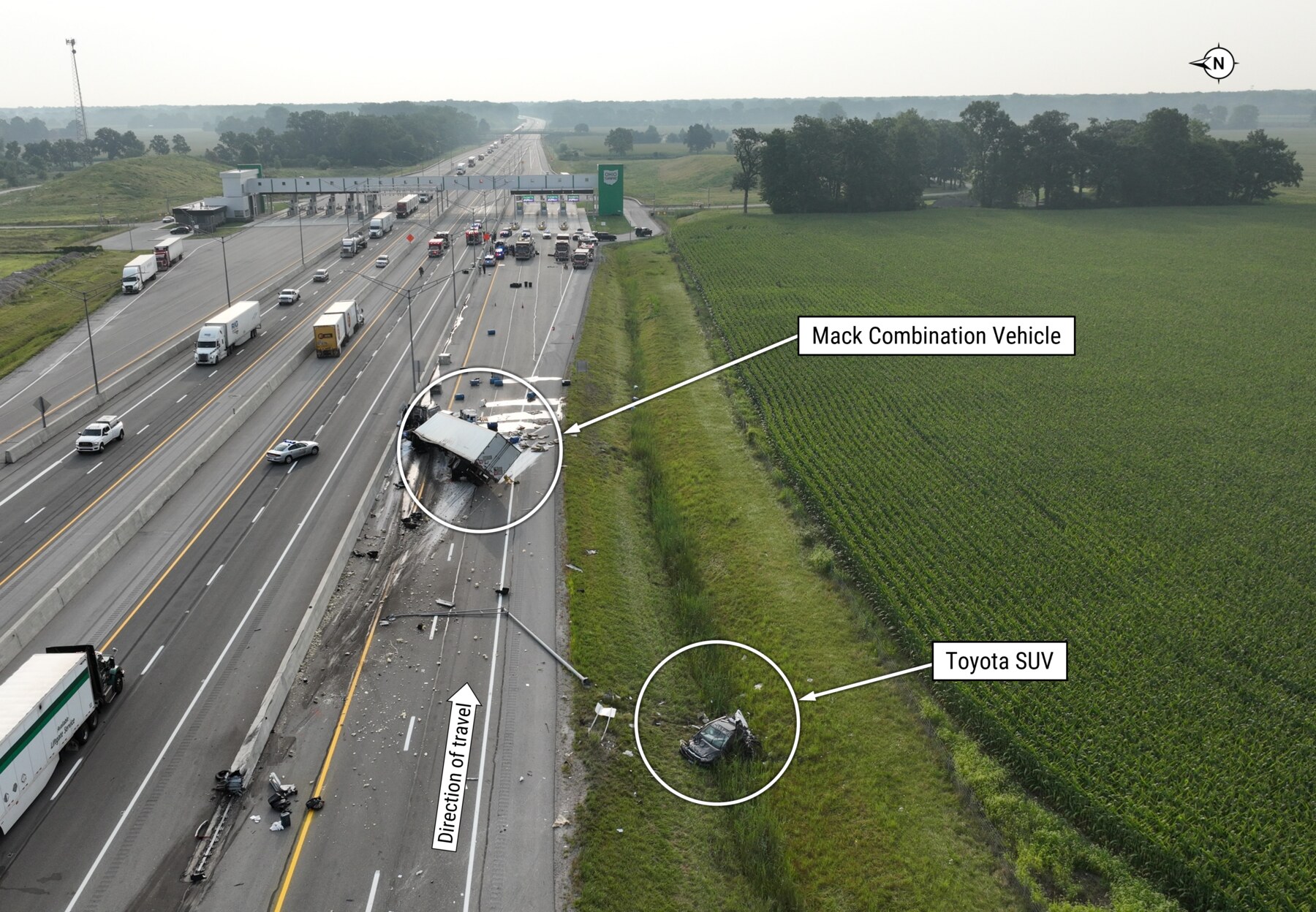
The US National Transportation Safety Board concluded that a fatal 2024 crash at the Swanton Township Toll Plaza could have been avoided if the Ohio Turnpike had operated fully electronic tolling.
The plaza combined electronic lanes operating at up to 70 mph with conventional toll-booth lanes carrying a 10 mph limit. A driver approaching in the electronic section slowed sharply and crossed towards the manual lanes. A heavy goods vehicle struck the car, overturned and released hazardous materials. Two passengers died and three people were seriously injured.
Video captured 1,099 comparable last-minute lane changes over three weeks—an average of 52 every day. The NTSB recommended permanently closing the manual lanes, introducing fully electronic tolling and improving emergency access.
The interface between old and new can carry the greatest risk
Infrastructure owners often treat digitalisation as a sequence of equipment replacements. The Ohio evidence shows that the greater risk may sit between the old and new operating models.
Hybrid arrangements can preserve access and reduce implementation disruption. They also create new interfaces between technology, physical layout, human behaviour, payment rules, signage, enforcement and emergency response.
The same condition appears in airports operating automated and staffed passenger processes, utilities combining remote control with legacy local equipment, ports introducing autonomous systems within conventional traffic movements and asset owners running digital and manual maintenance records in parallel.
The intermediate state needs its own assurance case
Owners and delivery partners should define which legacy and digital functions will coexist; how users will understand the change; where conflicting speeds, decisions or operating rules emerge; what abnormal behaviours the transition may encourage; and when the legacy arrangement must be permanently removed.
Operational data must also trigger action. Fifty-two unsafe movements per day represented a persistent system signal. Governance should establish who responds, what threshold demands intervention and how quickly a temporary arrangement must be redesigned.
Digital transformation changes the operating system
KIS PLUS LTD's view is that a halfway configuration is not automatically a temporary inconvenience. It is a distinct operating state with its own hazards, responsibilities and failure modes.
Transition assurance must examine people, information, physical assets, emergency arrangements and technology together. Temporary arrangements also require named owners, performance thresholds and expiry conditions. Without them, transitional compromises can become permanent infrastructure without ever receiving permanent-design scrutiny.
The next proof points
- Ohio's timetable for permanently closing the manual lanes
- Updated Federal Highway Administration tolling guidance
- Wider reviews of hybrid toll plazas
- Video analytics used to identify unsafe behavioural patterns
- Transition-assurance requirements in digital programmes
- Temporary configurations with defined owners and closure criteria