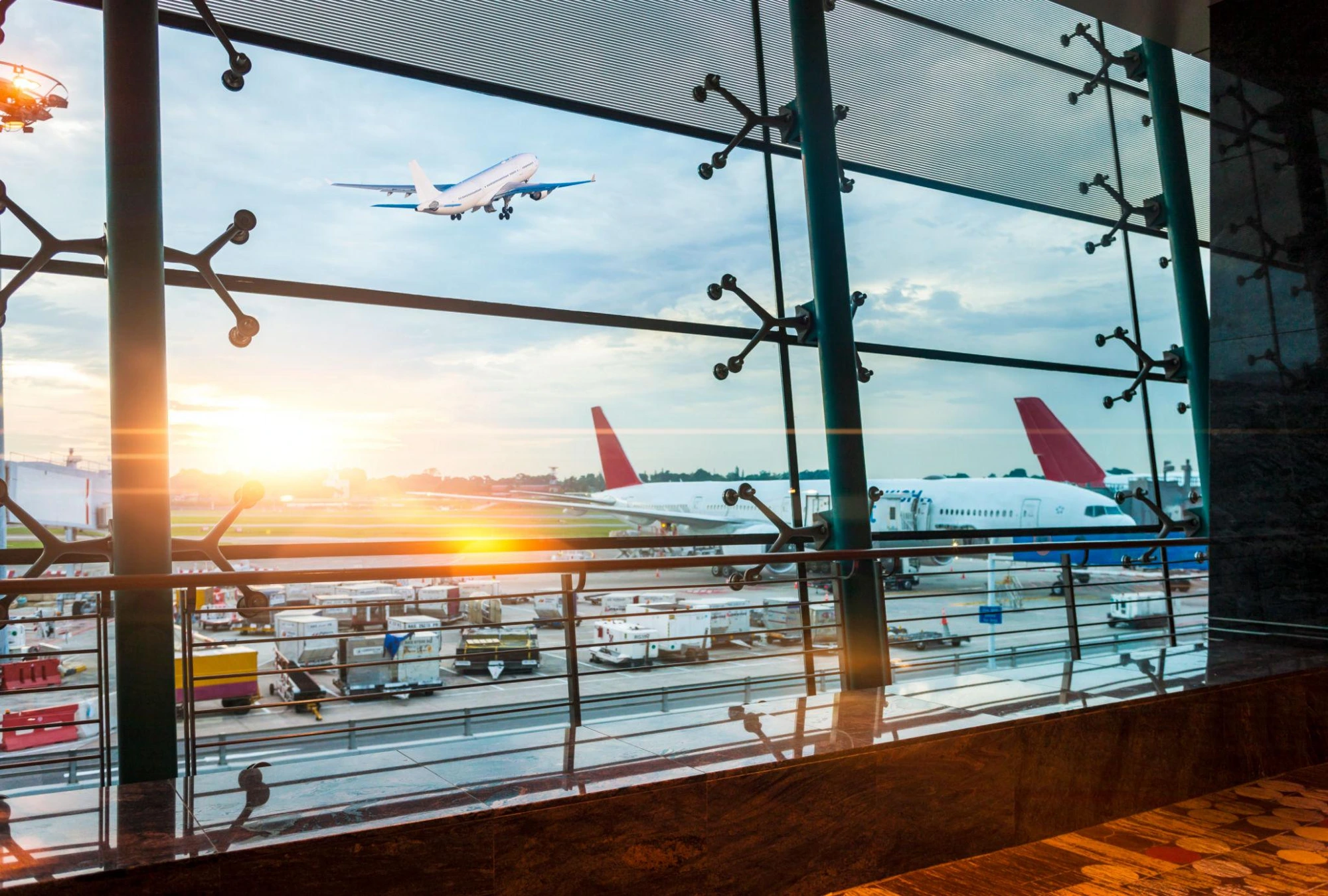

Most airport failures don't begin with a collapsed runway or a major systems outage. They begin quietly - through small decisions, disconnected information, delayed maintenance, fragmented responsibilities, and assumptions that "someone else is managing it."
By the time these issues become visible, the underlying causes have often been developing for years.
Airport expansion projects frequently focus on delivering physical infrastructure: new terminals, longer runways, additional apron space. Yet the real challenge is ensuring that hundreds of interconnected decisions continue to work together long after construction ends.
Every design change influences maintenance. Every operational decision affects passenger experience. Every delay creates ripple effects across safety, cost, programme delivery and future resilience.
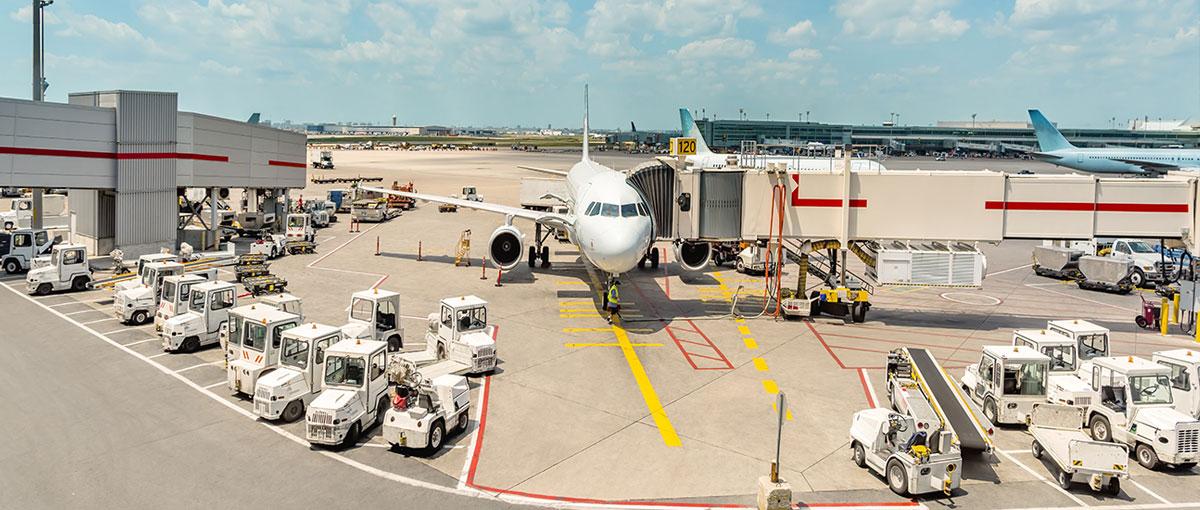
The Drift Happens Here
Disconnected Decisions
Teams optimise their part, not the whole.
Information Gaps
Incomplete or outdated data leads to the wrong decisions.
Small Delays
Minor slippages compound across interfaces and systems.
Siloed Ownership
No one sees the full picture - so no one owns the outcomes.
Assumed Resilience
Today's performance is mistaken for tomorrow's capability.
Airports Are Complex Systems
A systems perspective helps us understand how infrastructure, operations, people, policy and technology interact - so the airport performs, adapts and improves over time.
It's not about building bigger. It's about building smarter.
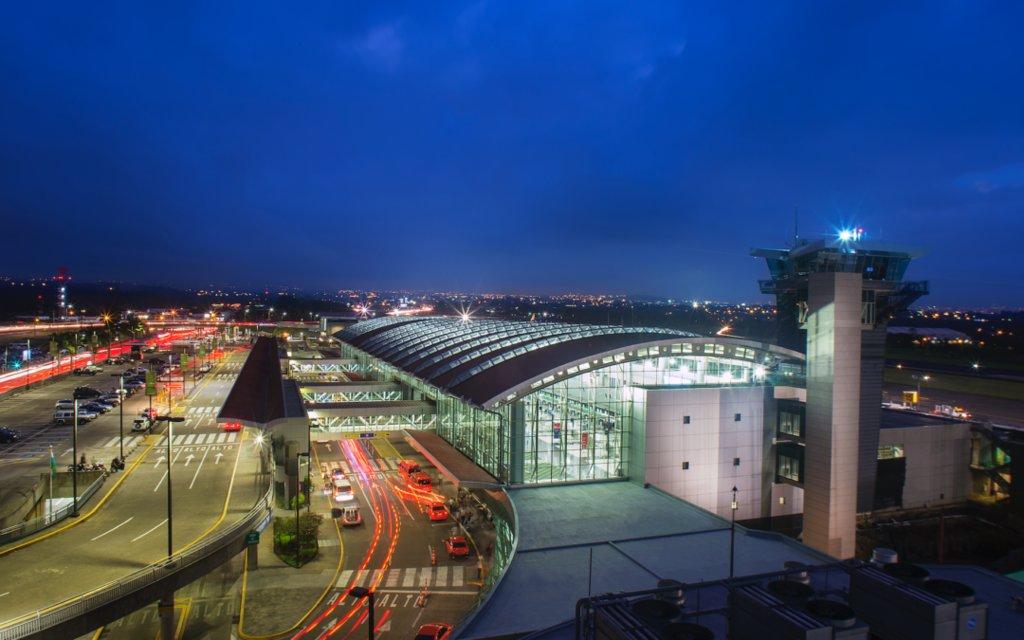
For airport owners, governments and delivery partners, the question is no longer whether infrastructure is being delivered. The more important question is whether the system being created will continue to perform, adapt and evolve throughout its lifecycle.
Because airports rarely fail overnight. They drift there - unless we engineer them differently.
Engage
Engineering Better Airport Systems
If your airport programme is optimising for delivery day rather than year thirty, it may be time to rethink how the system is being engineered.