Digital Twins in Infrastructure: Beyond the Hype
Separating reality from marketing — what digital twins can genuinely deliver for infrastructure operators and where the technology still needs to mature.

Digital twins have become one of the most discussed concepts in infrastructure management. But beneath the marketing buzz, what do they actually deliver?
What is a Digital Twin?
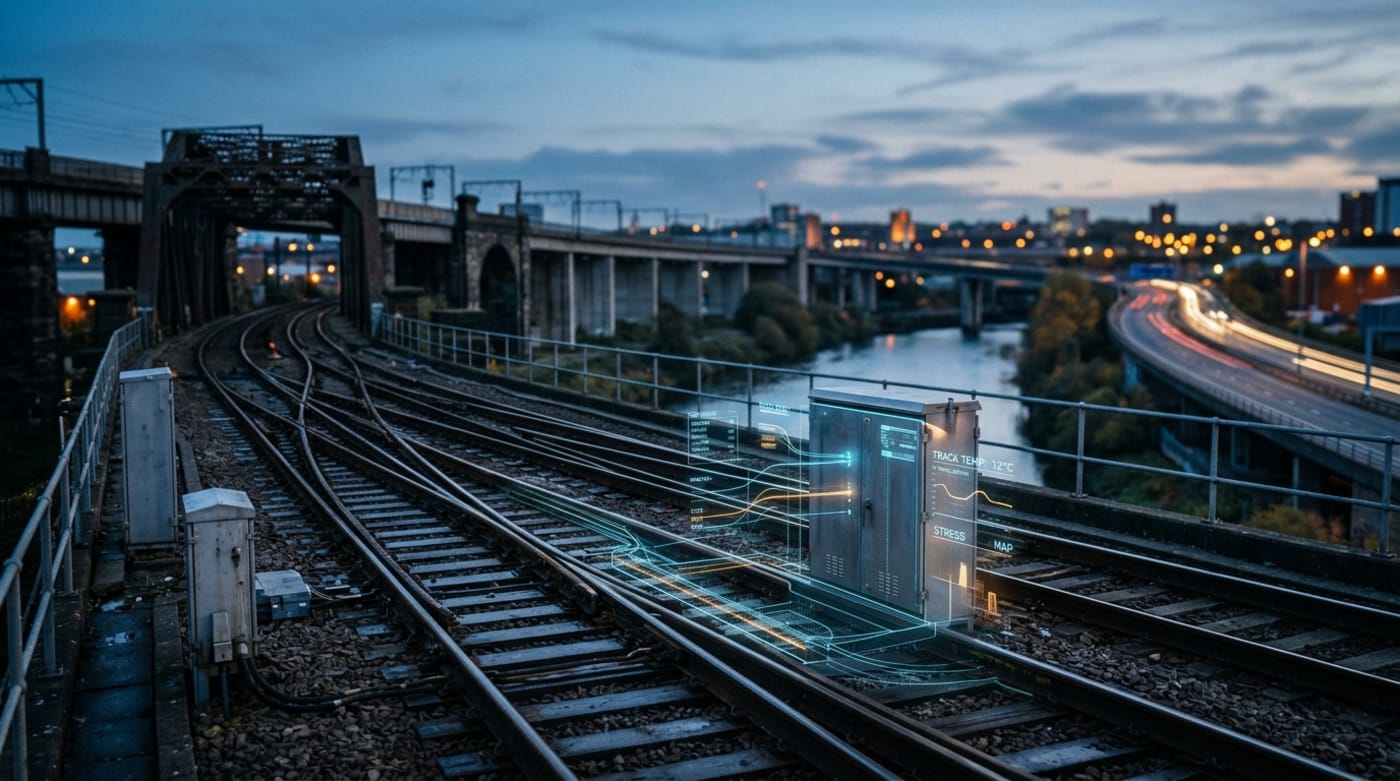
At its core, a digital twin is a dynamic virtual representation of a physical asset, process, or system. Unlike a static 3D model, a true digital twin is continuously updated with real-world data and can simulate future scenarios.
Levels of Maturity
Not all digital twins are created equal. The industry recognises several maturity levels:
- Descriptive Twin: A detailed geometric model with asset data — essentially an enhanced BIM model
- Informative Twin: Integrates real-time sensor data for live monitoring
- Predictive Twin: Uses analytics to forecast future states and failure probabilities
- Prescriptive Twin: Recommends optimal interventions based on predicted outcomes
- Autonomous Twin: Makes and executes decisions within defined parameters
Most organisations today are operating between levels 1 and 3, with genuine level 4-5 implementations still rare.
Where They Add Value
Digital twins demonstrate clear ROI in:
- ▸Operations optimisation: Energy management, space utilisation, predictive maintenance
- ▸Scenario planning: Testing interventions virtually before physical implementation
- ▸Lifecycle costing: More accurate whole-life cost projections
- ▸Stakeholder communication: Intuitive visualisation of complex systems
The technology is real and valuable — but organisations should approach implementation with clear objectives and realistic expectations.